
North Texas soil moves more than most homeowners realize, and that movement plays a huge role in the long-term stability of your home. When the heat hits Fort Worth, the clay dries out and shrinks. When the rainy season arrives, it swells again. That cycle repeats year after year, and it slowly shifts the structure. Understanding foundation repair in Fort Worth starts with understanding this soil behavior. With the right approach, homeowners can spot small issues early, prevent structural movement, and avoid expensive repairs later.
Why Foundation Repair in Fort Worth Starts With Understanding Local Soil
Clay soil across the Fort Worth area reacts strongly to moisture changes, which is why foundations here experience more stress than in many parts of the country. Dry spells make the soil contract and pull away from the slab. Heavy rain expands the clay again and pushes against the home. This movement rarely happens evenly, which explains why cracks often show up in one corner before the rest of the house. Homes in neighborhoods like Tanglewood, Fairmount, and Benbrook can all react differently because shade, irrigation, and drainage vary from yard to yard.
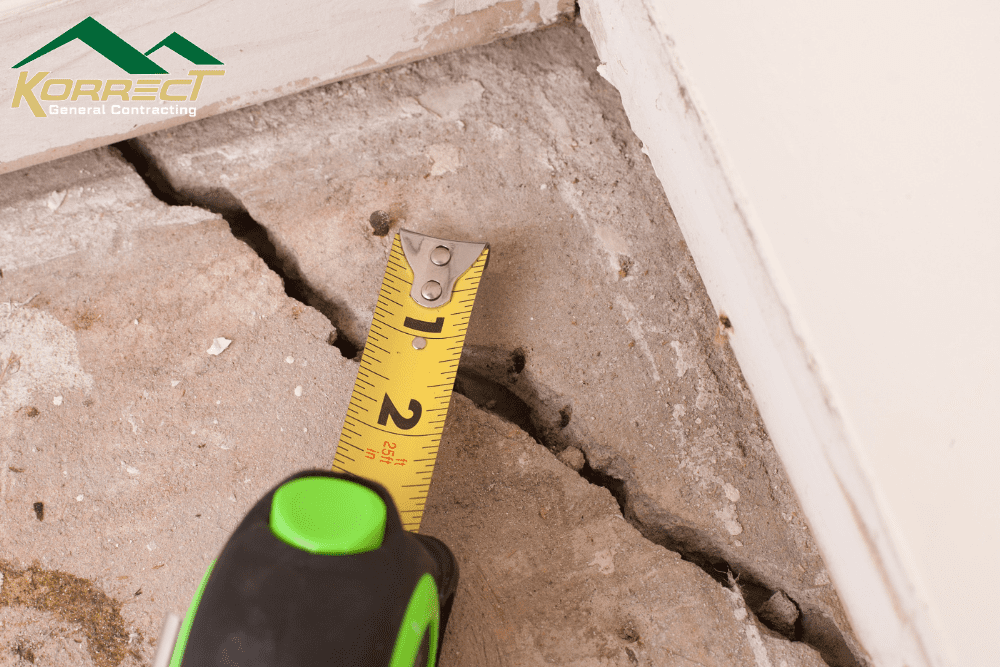
Small signs begin long before major cracks appear. You may notice a door sticking more than usual or a hairline crack forming near a window. Floors may feel slightly sloped even though nothing looks dramatic at first glance. Soil gaps along the slab, especially during summer, are another sign that moisture levels are out of balance. These issues all relate directly to how the soil expands and contracts throughout the year.
Working with someone who understands Fort Worth’s real soil conditions makes the difference between temporary fixes and long-term stability. Local contractors know which neighborhoods sit on deeper clay deposits, which areas drain poorly, and which parts of a home are most vulnerable to movement. True foundation repair in Fort Worth always begins with the soil beneath the home, not just the cracks you can see inside.
How Foundation Repair in Fort Worth Helps Homeowners Stay Ahead of Damage
Homeowners often think foundation repair only becomes necessary once a major crack appears. The truth is that early action prevents those bigger problems. When a contractor inspects your home, they look at how the slab is reacting, how the soil is behaving, and how seasonal weather is affecting both. A detailed inspection explains why movement is happening and what can be done to slow or stop it. This kind of clarity helps homeowners plan confidently instead of feeling pressured or unsure.
Because Korrect works throughout Fort Worth, Dallas, Arlington, and nearby areas, we’ve seen the same patterns repeat across thousands of homes. Moisture imbalance, drainage issues, shade patterns, and irrigation habits all play major roles. When repairs are handled with long-term conditions in mind, homeowners get solutions that last through droughts, storms, and seasonal temperature swings.
What homeowners appreciate most is knowing the “why” behind each recommendation. Foundation work feels complicated until someone explains the soil behavior and shows how small adjustments can prevent major issues. With a reliable team in your corner, foundation repair in Fort Worth becomes a steady, straightforward process.
What homeowners value most
- Local experience with shifting clay soil
- Clear explanations of repair and stabilization options
- Long-term solutions designed for Texas weather
- A contractor who communicates openly and avoids upselling.

What a Foundation Repair in Fort Worth Evaluation Looks For
A proper foundation evaluation goes far beyond surface cracks. Inspectors begin by checking the exterior of the home for stair-step cracks, uneven settling, or lifted corners. Soil that rests too high or pulls away from the slab is another early sign of trouble. Areas where water pools after storms can reveal slow, repeated movement that homeowners don’t notice until damage becomes visible. These checks help determine whether the soil is expanding unevenly and which sides of the home are under stress.
Inside the home, inspectors look for sloping floors, cracked ceilings, misaligned trim, and sticking doors. These issues can start gradually and often go ignored because they seem minor at first. Flooring changes, soft spots near walls, and small gaps between ceiling joints can also reveal long-term structural movement. When interior signs match exterior conditions, contractors can pinpoint exactly where the foundation is shifting.
Once the evaluation is complete, a contractor will recommend solutions such as pier systems, soil stabilization, drainage adjustments, or scheduled monitoring. The goal is always the same: stop the movement, support the structure, and reduce the chance of future settling. A good foundation inspection also explains why issues developed in the first place so homeowners can prevent them from returning.
Common things checked during an evaluation
- Cracks inside and outside the home: Inspectors look for gaps in walls, ceilings, brick, and trim. These cracks help pinpoint where movement has occurred.
- Drainage patterns that contribute to movement: Evaluators check how water flows around the home and whether it collects near the foundation. Poor drainage is one of the biggest drivers of shifting soil.
- Soil moisture separation and shrinkage: They look for gaps between the soil and the slab that signal drying or shrinking. This often shows that the soil is pulling away from the foundation.
- Visible signs of uneven settling along the slab: Inspectors note sloping floors, misaligned doors, or uneven edges along the foundation. These signs help show how and where the slab has shifted.
Foundation Repair in Fort Worth Solutions That Hold Up Through Texas Weather
Selecting the right repair method makes all the difference. In many Fort Worth homes, steel piers offer long-term stability because they extend deep into soil layers that do not shift with weather patterns. Shallow fixes may work for a short time, but they rarely hold up through the extreme swings between drought and heavy rain. Steel piers transfer the weight of the home to stable ground and provide lasting support.
Homes with pier-and-beam foundations require a different approach. Weak or damaged beams may need to be replaced, and joists may need leveling to restore balance. Reinforcing support posts and improving crawlspace ventilation can help prevent future moisture problems. No matter what type of home you have, quality materials and correct installation make a noticeable difference over time.
Drainage plays a major role in long-term success. Even the best pier systems can struggle if water continues to collect around the slab. Adjusting yard slopes, adding drains, and extending downspouts help keep moisture levels balanced around the foundation. When the soil remains stable, the home stays stable.
If storm damage or leaks create moisture issues around your slab, pairing foundation work with fire and water restoration helps protect the structure as a whole.
Strong solutions for long-term stability
- Deep steel pier systems to reach stable soil: Steel piers are driven deep until they reach solid, load-bearing ground. This keeps the foundation steady even when the upper clay expands and contracts.
- Drainage correction to reduce moisture pressure: Redirecting water away from the home eases stress on the foundation. Proper grading, gutters, and drains help prevent soil swelling and shifting.
- Beam and joist repair for pier-and-beam homes: Replacing weakened wood and reinforcing the structure restores floor stability. This keeps sagging or soft spots from getting worse.
- Strategies to prevent long-term soil movement and structural stress: Managing moisture and controlling root growth helps reduce shifting around the foundation. These steps limit cracking and protect the home over time.
How Drainage and Grading Affect Foundation Repair in Fort Worth
Good drainage is one of the most effective ways to prevent foundation damage. When water flows toward the home instead of away from it, the soil stays oversaturated and swells. On the other hand, dry areas shrink and pull away from the slab. That imbalance puts uneven pressure on the foundation and causes the cracks homeowners eventually see. A properly graded yard helps water move away from the structure during storms, keeping moisture levels more consistent around the home.
Extending downspouts and adjusting slope can make a major difference, especially in older neighborhoods where drainage patterns have shifted over time. Homes on sloped lots or in areas with heavy runoff benefit from French drains that guide water toward safer areas. Mulch beds should sit at the correct height so they don’t hold moisture against the home. These small adjustments help keep the soil balanced and reduce the chance of long-term movement.
When drainage and grading work the way they should, soil behavior becomes more predictable. That stability supports any repair work and helps prevent new settling issues from forming.
Early Warning Signs That You May Need Foundation Repair in Fort Worth
Early warning signs often appear months or even years before major cracks develop. Sticking windows and doors are some of the earliest indicators. As the soil moves, the framing of the home shifts and creates slight pressure on openings. Floors that slope or feel soft in certain areas are also strong indicators that the foundation is settling. Cracks in corners, ceilings, or brick lines often start small but grow as soil movement continues.
Gaps between the soil and slab, especially during dry months, signal that moisture levels are unbalanced around the home. Stair-step cracks in brick are one of the clearest signs that the foundation is under strain. Trim separation, uneven gaps in flooring, and warping baseboards also reveal subtle shifts.
Catching these problems early gives homeowners more repair options and usually results in lower costs. Early detection is one of the best ways to prevent deeper structural movement and maintain long-term stability. Watch for cracks inside or outside the home, sticking doors or windows, sloping or uneven floors, and soil pulling away from the foundation.
Building a Long-Term Plan for Foundation Repair in Fort Worth
A long-term plan helps homeowners stay ahead of soil movement throughout the year. During dry months, foundation watering helps slow down shrinkage. When the rainy season arrives, watching how the yard drains helps identify areas that need adjusting. Seasonal checks in spring, summer, and fall give homeowners an early look at changes that may develop over time. These habits prevent surprises and keep repair needs more manageable.
Because Fort Worth sits on clay-heavy soil, homes here benefit from consistent monitoring. Neighborhoods like Arlington Heights, Mistletoe Heights, and Westover Hills all experience seasonal shifts differently. A contractor who understands soil patterns in these areas can help you build a plan tailored to your property instead of using a generic approach.
If you plan to make interior improvements after foundation work, remodeling offers a way to update living spaces once the structure is stable.
Homeowners searching for dependable roof repair in Fort Worth can use our verified Google listing to read client reviews and see past work we’ve completed.
Frequently Asked Questions
How do I know if I need foundation repair?
Cracks, uneven floors, soil gaps, and sticking doors are common early signs. To learn more, visit our foundation repair page.
Can drainage really affect my foundation?
Yes. Poor drainage is one of the most common causes of soil movement. Correcting slope and extending downspouts can reduce pressure on your home.
Is foundation repair permanent?
Steel pier systems provide long-term stability because they reach deep soil that stays steady year-round.
Are small cracks something to worry about?
Small cracks often grow over time. An inspection helps determine whether deeper movement is happening.
Do you repair pier and beam homes?
Yes. Repairs often include leveling, beam replacement, moisture control, and support reinforcement.
Ready for Professional Foundation Repair in Fort Worth?
If you’re seeing cracks, uneven floors, or drainage issues, our team is ready to help. Korrect provides foundation repair in Fort Worth designed specifically for Texas soil and weather. Whether you need steel piers, drainage correction, or a detailed inspection, we’ll walk you through each step and answer every question. Reach out through our contact page and let us help you protect your home for the long run.
Related Posts

Why Pre Sale Foundation Inspections Matter in Fort Worth Real
A roof inspection in Fort Worth does far more than

How Drone Roof Inspections Are Changing Fort Worth Roofing The